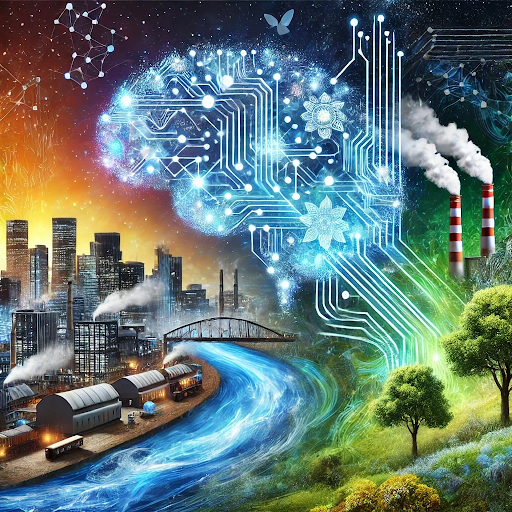
Sustainability in the digital age: Environmental Impacts of AI Systems

Course
  • Big Data and AI

Sustainability in the digital age: Environmental Impacts of AI Systems

Welcome to the "Sustainability in the Digital Age" series

Artificial Intelligence (AI) offers transformative potential across industries, but its development and deployment come with environmental costs. The course covers topics such as the carbon footprint of AI models, methods for measuring and reporting environmental impacts, and challenges in estimating the sustainability of AI technologies. Students will gain insights into energy and carbon accounting, along with case studies demonstrating how AI’s environmental footprint is assessed. The course aims to provide a comprehensive understanding of the relationship between AI and the environment, equipping learners with knowledge to contribute to more sustainable AI practices.


This course is part of the Sustainability in the Digital Age series, a collaborative project between colleagues from Stanford University, SAP and the Hasso Plattner Institute.

Offered by Vanessa Parli | Last updated on Jul 15, 2026 | 2796 enrollments

  • Beginner
  • EN
  • Certificate
Course information

AI technologies drive innovation, yet every AI model consumes energy, leaving a carbon footprint. As the adoption of AI grows, so does its environmental impact. This course examines into the environmental impacts associated with artificial intelligence systems beginning with an overview of AI, including its core applications, and follows with a primer on energy and carbon accounting to establish a foundation for understanding AI's environmental footprint. Students will explore current methodologies for measuring and reporting the carbon emissions of AI models, including detailed case studies. Through this exploration, learners will gain insights into the key challenges faced by researchers and practitioners when attempting to quantify AI’s environmental impact.

In addition to reviewing current measurement practices, the course will offer recommendations for reducing its ecological footprint. Throughout the course, learners will engage with cutting-edge research from leaders in the field, encouraging reflection on how these issues are relevant to their work.

Scope:

The Sustainability in the digital age: Environmental Impacts of AI Systems course runs for two weeks with a total workload of approximately 6 hours. It includes around 12 videos (12-14 minutes each), followed by small self-tests. The final exam takes place in the second week.

All learning materials (videos, self-tests, and texts) are available from the start of the course. The final exam is activated at the end of the first week and remains open until the course ends, giving participants two weeks to complete the content and one week for the exam.

Prerequisites:

  • Basic understanding of Artificial Intelligence (AI)
  • Interest in sustainability, environmental science, or technology policy
  • No advanced technical or coding knowledge is required
Learning goals
  • An introduction to AI and its core application areas
  • A primer on energy and carbon accounting.
  • Current methods to report and measure the carbon footprint of AI models
  • Case studies detailing how these measurements are conducted
  • Challenges and recommendations for estimating the environmental impact of AI
  • Future directions for reducing the impact of this technology
Requirements for Proofs of Achievement
  • Confirmation of Participation: You will automatically receive a free Confirmation of Participation once you have completed at least 50% of the content.
  • Certificate: You will receive your official openHPI Certificate by earning at least 50% of the maximum number of points from all graded assignments.

Find out more on our page for Proofs of Achievement and Guidelines.

Our teachers